Showing posts with label obesity in children. Show all posts

Tuesday, 18 February 2014

Amazing Journey And Transformation Of Bethany Churcher

Now is the time when 90% of the planet want to get fit or healthy.  There are so many of the younger generation who are suffering from being overweight or obese, and todays story feature's such a brave young lady who has fought that battle and is now on her journey to help others fight theirs.

Today I want to share Bethany's journey into weightloss and getting healthy.

Bethany started her journey weighing 32 stone at the age of 17, her life was a struggle.  She was classed as morbidly obese and given 6 - 12 months to live.

She had serious health issues, had suffered a mini stroke and had breathing difficulties and intercranial hypertension.

 Beyond the help of diets, Bethany was advised to have weight loss surgery and since her op she has lost 17 stone (and counting) and is feeling and looking much healthier.

Bethany has set up a charity called the B.O.O. (Battle On Obesity) Foundation to educate young people who are suffering with obesity and has also teamed up with the Body by Vi 90 Day Challenge to try to help people before they get to the stage of needing weight loss surgery.

Along with the health risks associated with obesity, there are other problems such as bullying and low self-esteem; with this in mind the charity is there to support young people through these difficult times. You can find out more about the B.O.O. charity on Facebook: www.facebook.com/theboofoundation

Having met Bethany she is indeed an amazing young lady and I wish her every success!


Visalus Sciences Fighting Obesity and improving Health

Join The Challenge

Promote The Challenge 

Colette Morris
Sac Dipl - Diet & Nutrition


http://90days2change.myvi.net

Sunday, 25 August 2013

The Guardian: Obese mothers' babies face bigger risk of early death, says report

Obese mothers' babies face bigger risk of early death, says report


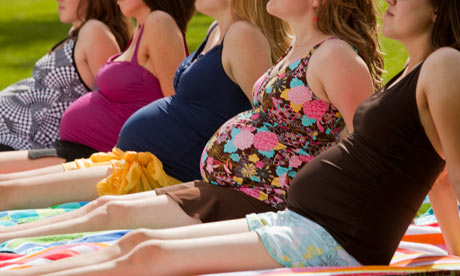
Babies born to obese mothers may face an increased risk of dying early from heart problems in their adult life, according to research published late Tuesday that paints an alarming picture of the future as obesity-related disease is handed down from one generation to the next.
The comprehensive study looked at nearly 30,000 women who gave birth in Aberdeen between 1950 and 1976 and who were weighed and measured in early pregnancy. When the researchers then searched for death certificates among the nearly 38,000 children – by then aged 34 to 61 – they found that those whose mothers had been obese had a 35% higher chance of dying as a result of cardiovascular disease than the children of normal-weight mothers. Health records showed that they also had a 42% higher risk of being treated in hospital for heart problems.
Experts called for more effort to educate young women who might become pregnant about good eating habits and exercise as the implications of the study became clear. One in five pregnant women today is obese. If the researchers are right, the UK could face a huge rise in heart disease and early deaths as the children of these obese mothers hit middle age.
Obesity often runs in families and the researchers accept it is hard to separate the effects of growing up in a household where overweight is the norm, an excess of fattening food is available and no one is playing sport.
But, they say, it is well known that premature, undernourished, severely underweight babies run a higher risk of heart problems and cancer. They theorise that babies may also suffer long-term health problems if they receive too much nutrition in the womb. Animal studies show that developmental over-nutrition can cause permanent changes in appetite control and energy metabolism.
At the time that the mothers in the study gave birth, only 21% were overweight and 4% were obese. Now 20% are obese.
"With the rising rates of excess weight among pregnant women, our findings of an association between maternal overweight and obesity and premature death in the adult offspring is a major public health concern," write the authors, Rebecca Reynolds, professor of metabolic medicine at Edinburgh University and colleagues in the British Medical Journal.
Reynolds stressed that their findings should not be used to blame women.
"We don't want to be blaming anybody at all, just highlighting that we have found an association," she told the Guardian. "Ideally we'd like to understand more about the mechanisms. We want to see whether it is possible to help women planning a pregnancy to be a healthy weight." She would like greater public awareness that starting pregnancy at a healthy weight was best both for mother and child, she added.
In a BMJ editorial on the study , Dr Pam Factor-Litvak from the department of epidemiology at Columbia University in New York says that the paper leaves open two questions – the effect of the child's environment while growing up and the influence of a father's obesity.
At the moment, she adds, US guidelines recommend that overweight women should not put on more than 5kg-9kg (11lb-20lbs) during pregnancy, which is less than the 7kg-11kg recommended for normal-weight women, but if the study is correct, there needs to be action to help women before they get pregnant.
Dr Tim Chico, consultant cardiologist at Sheffield Teaching Hospitals, said it was a worrying finding.
"It suggests the current obesity epidemic will lead to an increased risk of heart disease even in babies born in the future," he said. It was unclear whether pregnancy, genes or the environment in early childhood were the issue, but either way, the study emphasised the importance of trying to maintain a healthy weight.
"No parent wants to think that their actions might affect the health of their children, and this is often a powerful motivation to change our behaviour. The message of this study is clear; if a mother is overweight, it may be her children that pay the price.
"The causes of obesity are complex, and it is not just the fault of the person who is overweight. We have made ourselves a society where it is difficult to take exercise, due to pressure of time and lack of opportunity, but very easy to find cheap, high-calorie food. I've seen heart disease decline over my career, but it is quite possible this will reverse as we begin to see the consequences of an environment that makes it very difficult to stay thin."
Doireann Maddock, senior cardiac nurse at the British Heart Foundation (BHF), which part-funded the study, said that while more research was needed to understand the association between the pregnant mother's weight and her child's chances of dying prematurely in adulthood, the study "emphasises the need for everyone, but in particular pregnant women, to try to eat healthily and be active".
Dr Susan Ozanne, reader in developmental endocrinology at the University of Cambridge and British Heart Foundation senior fellow, said: "Although these findings are interesting and important, until the confounding effects of other factors such as obesity in the offspring themselves can be accounted for, we cannot assume a causal relationship between obesity in pregnancy and heart problems in adult children of these women – more research is needed to establish this."
She and other experts warned that pregnant women should not embark on a diet that could possibly do more harm to their unborn child.
"It is a complex issue which definitely needs more research. Until we have the results of further research, it would be unwise for any pregnant woman to drastically change their diet as this may be harmful in both the short and long term to both mother and child," she said.
Source: http://www.theguardian.com/society/2013/aug/13/obese-mother-babies-early-death
Shared via Google Currents


Fighting Obesity and improving Health

Colette Morris
Sac Dipl - Diet & Nutrition
 
To get started just set your 90 day goal and select a Challenge Kit! Click the Order button below


++++++++++++++++++++++++++++++++++++++++++++++++++++++++++++++++++++++

90 Day Challenge


http://90days2change.myvi.net/products.html

Tuesday, 30 July 2013

Obesity in children – a growing problem


an obese adolescent boy
Seventy years ago, obesity in children was virtually unheard of. In fact, the opposite was true. During World War II, food shortages and rationing meant that many children were skinny because they literally couldn’t get enough to eat. Today, food is plentiful and we import food from all over the world. While this has solved one problem, it has created another. With plentiful food and a more sedentary lifestyle, obesity in children and adults has become a real problem.

This article on obesity in children is by Kathryn Senior, a freelance journalist who writes health, medical, biological, and pharmaceutical articles for national and international journals, newsletters and web sites.


How widespread is obesity in children?

The statistics are very shocking. The latest figures from a national measuring scheme that weighs children as they start primary and then secondary school show that the rate of obesity in children aged 11 is currently around 32.6%. This is in sharp contrast to the situation in the 1940s but it doesn’t even compare very favourably with statistics from less than a decade ago. In 2001, a Commons Health Committee estimated that the rate of obesity in children was only 15% in 15-year olds. This means we have seen obesity in children double in the last 10 years.

The highest rates of obesity in children

 Although 1 in 3 children at secondary school are now clinically obese, the rate of obesity in children far younger than 11 is also a real worry. One in every six children – around 17% - is dangerously overweight in some parts of the UK before they even start primary school. The highest rates of obesity in children under 5 years old were seen in Stockton-on-Tees in the north east. Children here are four times more likely to become obese at a very young age compared to children of the same age who live in Sussex.

The reasons for obesity in children

Obesity is fast becoming the biggest health challenge of the western world – and developing countries are starting to see it as they become more affluent. A typical ‘western’ diet that is high in processed, high fat and sugar-rich foods is very high in calories but very low in vitamins, essential minerals and fibre. It can lead to obsessive eating because refined white sugar and white flour has an additive effect in the brain in some people who are particularly susceptible. Food cravings lead to overeating and, if children or adults also take very little exercise, the result is a rapid gain in weight.

The effects of obesity in children

Over time, the poor nutrition, coupled with developing obesity, put great stress on the body. Many different chronic illnesses are linked with obesity in adults:

  • Heart disease
  • High blood pressure
  • Asthma and breathing problems
  • Diabetes
  • Some types of cancer
  • Neurodegenerative diseases, such as Parkinson’s disease
  • Circulatory problems
All of these health problems are currently more common in people in middle age who are overweight or obese. However, there is growing evidence that as obesity in children increases, these sorts of chronic illnesses will plague them in their 20s and 30s, not in their 50s. Worryingly, type 2 diabetes, which is usually found in people over 40, is becoming more common in teenagers. In addition, obesity in children leads to further problems as the body of the child is put under strain as it is still growing. Problems in the bones and joints, including bow legs, gall bladder disease, polycystic ovary syndrome and poor vision are all caused by obesity in children.

The government is worried that the escalation of chronic illnesses in young adults with growing families, who are important contributors to the economy, will cause very serious social issues. For one thing, the National Health Service will be overwhelmed – and this is projected to happen sometime between 2020 and 2030.

Obesity in children – what can be done?

The British Heart Foundation has recently called on the government in the UK to be much clearer in its advice about how much exercise children need every day if the current rise in obesity in children is to be stopped. At present, school-age children get some exercise but nowhere near the 60 minutes a day that the BHF say is needed to keep the heart healthy – and to keep the weight from piling on. As they quite rightly point out, preventing obesity in children is always going to be more effective than tackling it once it has become a problem.

Experts agree that promoting regular exercise and a great awareness of what makes up a healthy diet is useful. However, some think that the problem of obesity in children starts virtually from birth and health education for parents should be a priority. Research has shown that obesity in children is lower if they are breastfed for at least six months from birth. Bottle-fed children show much higher rates of obesity.

The key seems to be that education is important for everyone. Today’s generation of young parents needs to become more aware of the dangers of eating highly processed foods and doing virtually no exercise – for the sake of their own health and that of their children.


Kathryn Senior

Profile of the author

Dr Kathryn Senior is an acclaimed medical journalist who has written over 500 feature articles for leading international journals within The Lancet group. As Senior Writer at Freelance Copy she produces high quality scientific and medical content for websites and printed publications for companies and organisations in the health, medical and pharmaceutical sectors.
 
Worried about your child or their health, you can do something about it now. If you found this article interesting please share using the buttons below and leave me a comment wit your thoughts.


Colette Morris 
Regional Director Vi UK
++++++++++++++++++++++++++++++++++++++++++++++++++++++++++++++++++++++

90 Day Challenge

How do you get on board? 

First off, visit our site by clicking this link 90days2change  and purchase your challenge kit to start your 90 day challenge.  
Once you sign up with Body By Vi you can then join in www.thechallenge.com


+++++++++++++++++++++++++++++++